← Back to Blog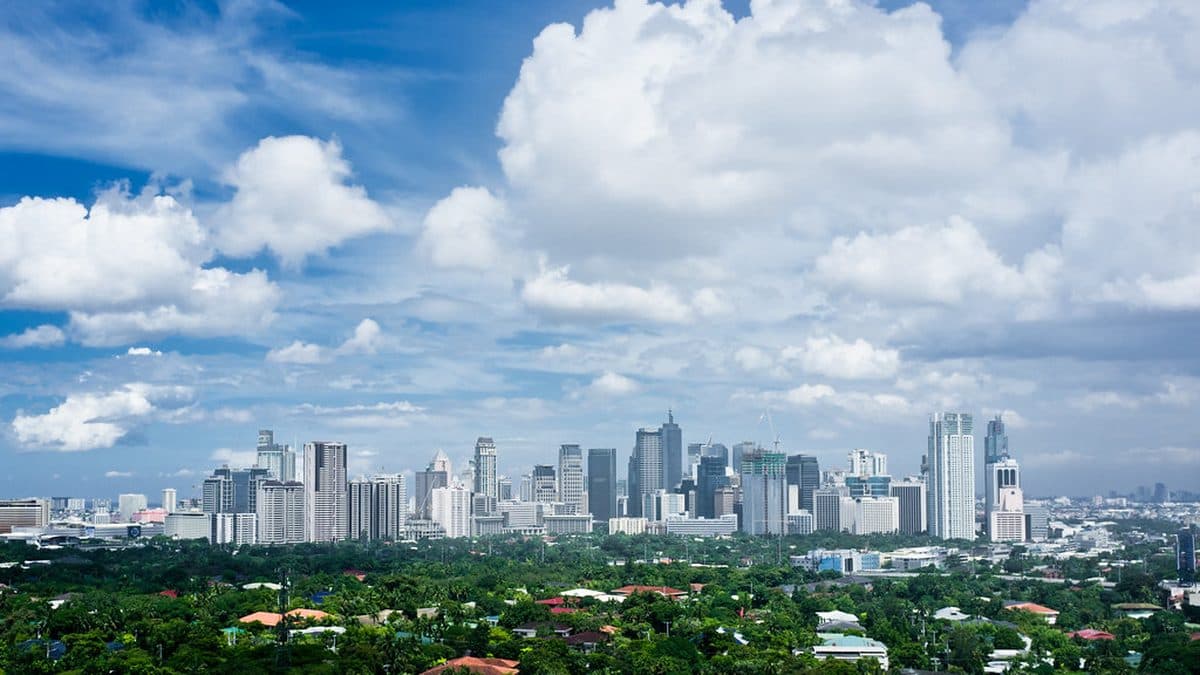
 Browse Questions Free
By Kareera Team · August 5, 2026 · 7 min read
The Complete Job Interview Guide for Filipino Job Seekers: Before, During, and After Tips
Job interviews can feel like a make-or-break moment. But if you walk in with a clear plan, you walk out with a real shot. This guide is that plan. We have other posts that break down the exact answers you should give to common questions and what to wear for different industries, so think of this as your overall playbook: everything you need to do before, during, and after the interview to give yourself the best chance.
Before the Interview: Do Your Homework
Good interviews don't start when you sit down. They start hours, sometimes days, before. The prep work you put in is what separates a forgettable candidate from one the interviewer remembers.
Start by researching the company thoroughly. Go beyond the job posting. Visit the company's official website. Look at their About page, their mission and values, and any recent news or press releases. Check their social media accounts, not just LinkedIn, but also Facebook pages or Instagram accounts that might show company culture. Read what current and former employees say on job forums and professional networks. You want to understand not just what the company does, but how it operates, what it values, and what kind of people tend to thrive there. This research will help you answer questions more thoughtfully and ask better questions yourself.
Next, review the job description carefully. Do not just skim it. Read it line by line and ask yourself: what are the top three things this company needs from someone in this role? Then map your own experience and skills to those needs. If the JD mentions project management and you have a story about leading a project, be ready to tell it. If it calls for proficiency in a specific tool, be prepared to describe how you have used it. The closer you can tie your background to the role's requirements, the stronger your case.
Then, prepare your physical materials. Print at least three extra copies of your resume, even if you already submitted it digitally. Often you will meet multiple people, and not everyone will have printed it out. Have a list of professional references ready, with names, contact details, and a sentence about your relationship. Bring a notepad and pen. You can use the notepad to write down key points during the interview, and having it on hand signals that you are serious and detail oriented. If the role involves creative or project-based work, bring a portfolio or samples of your work, printed or on a tablet, so you can show concrete evidence of your abilities.
Now, plan your outfit well in advance. Don't leave this for the night before. Make sure whatever you plan to wear is clean, pressed or steamed, and fits you well. What counts as appropriate varies by industry. A bank or consulting firm expects more formal attire; a startup or a BPO floor often has a more relaxed dress code. For a detailed breakdown of what to wear in different settings, read our post on What to Wear to a BPO Interview vs. a Corporate Interview.
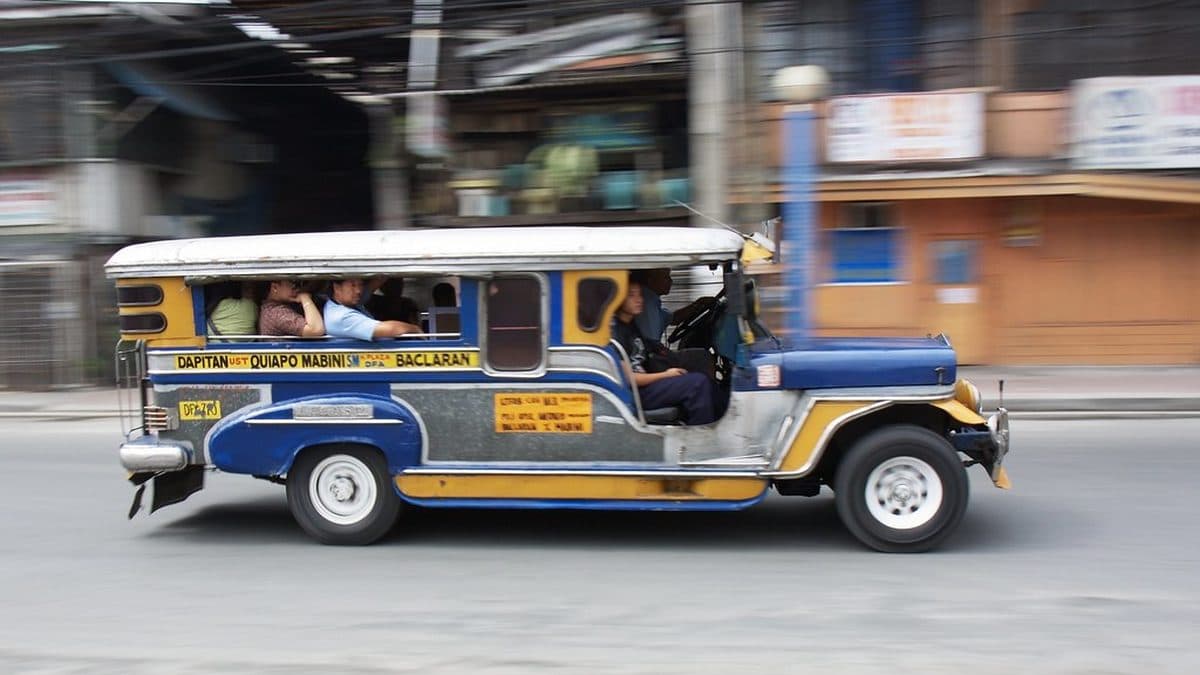
Finally, time your arrival precisely. In the Philippines, "10 to 15 minutes early" means arriving at the building 10 to 15 minutes before your scheduled time. It does not mean leaving your house 15 minutes early. Metro Manila traffic, especially along EDSA, is notoriously unpredictable. A trip that normally takes 30 minutes can balloon into two hours with one accident or road closure. Map out your route the night before. Check traffic conditions in the morning and aim to leave early enough that even with a buffer you will be in the lobby ahead of time. Being late, even for reasons outside your control, is often seen as a lack of planning.
If Your Interview Is Online
More and more interviews are happening over video calls. The same punctuality rule applies: log on 10 to 15 minutes before the scheduled time, but test everything at least a day earlier. Open the video conferencing software and make sure it updates and your browser allows it. Test your camera, microphone, and speakers. Check your internet connection. If possible, use a wired Ethernet cable instead of Wi-Fi, or sit as close to your router as you can. Choose a quiet, well-lit space for the call. A bare, cluttered, or noisy background distracts the interviewer. Position a light source in front of you so your face is clearly visible, and keep your background neutral and tidy.
During the Interview: Show Up Well
The door opens, you sit down, and the questions start. This is not the time to wing it. Listen carefully to each question. Take a beat before you answer. A short pause makes you look thoughtful rather than anxious, and it gives you a moment to gather a clear response.
If a question is unclear, ask for clarification. Many candidates are afraid to do this because they worry it makes them look unprepared. The opposite is true. Asking, "Could you please elaborate on what you mean by that?" or "Just to confirm, you're asking about my experience with X, correct?" shows you are engaged and want to give a precise answer.
Before the interview starts, silence your phone completely. Not vibrate, not silent mode with vibrations on, but fully off or in a mode that guarantees no sound, no buzz, no screen flash. A notification sound during an interview is a small but preventable distraction that can break rapport.
Preparing for an interview?
Get free access to 1000+ interview questions across top companies and roles.
Use the notepad you brought. Jot down key details the interviewer shares, important questions worth following up on, or points you want to circle back to later. It helps you stay attentive and gives you material for a stronger follow-up later.
Now, for how to actually answer the most common questions, we have a separate, in-depth post that walks you through each one: the most common interview questions and how to answer them. That post will help you structure a strong response for "Tell me about yourself," "Why should we hire you?" and other staples. This guide is about everything else, the process around the answers.
After the Interview: Don't Ghost Your Chance
The interview is over, but your job isn't. A well-timed follow-up can reinforce a positive impression or even tip a close decision in your favor.
Send a personalized follow-up email or message within 24 to 48 hours of the interview. This window matters: too soon and it feels rushed, too late and it risks being forgotten. In that message, start by genuinely thanking the interviewer for their time. Then reference a specific point you discussed, something that shows you were listening and thinking about the conversation. For example: "I really enjoyed our discussion about your team's expansion plans, and I have been reflecting on how my experience with market launches could help there." Finally, reiterate your interest in the role and the company concisely. Keep the tone warm and professional, not pushy.
Many Filipino job seekers worry about being ghosted after interviews. While there is no guarantee, a thoughtful follow-up keeps your name active in the employer's mind. For more on why ghosting happens and how to handle it, read our post: Why Filipino Job Seekers Keep Getting Ghosted After Interviews.
A Note on What the Data Doesn't Say
You will sometimes read articles that claim punctuality increases your chances by a certain percentage, or that thank-you notes boost hiring odds by a specific margin. The sources we used for this guide do not provide a Philippines-specific statistic to that effect. Instead, these are long-standing best practices endorsed by recruiters and hiring managers across industries. They are not magic buttons, but they consistently communicate professionalism and respect for the interviewer's time. When you arrive early, prepared, and follow up with care, you stand out simply because so many candidates skip these steps.
Putting It All Together
Let's walk through a timeline so nothing falls through the cracks:
- The night before: Print your resumes and review your references. Lay out your outfit and make sure it is ready. Charge your phone and any devices. If it is an online interview, test your setup again.
- The morning of: Eat something light. Leave your house with enough buffer that you will be in the area at least 30 minutes before the interview. If you arrive very early, wait in a coffee shop nearby rather than in the lobby.
- 15 minutes before: Enter the building, check in with reception, and use the restroom to do a final appearance check.
- During: Listen, pause, take notes, ask clarifying questions.
- Within 48 hours: Send your personalized follow-up.
Final Reminders for Filipino Job Seekers
Your preparation should always account for the local context. Traffic in Metro Manila and other major cities is a real risk, build in more time than you think you need. Company culture here varies widely: what you wear to an interview at a BPO in Eastwood might not fly at a financial firm in Makati. And as video interviews become more common, a stable internet connection has become as essential as a pressed shirt.
Above all, treat the interview as a conversation, not an interrogation. The more you prepare, the more you can relax and let your competence show. Use this guide as your checklist, and when you are ready to drill down on specific questions or outfit choices, follow the links we have shared. Good luck.
FAQs
How early should I arrive for a job interview in the Philippines?
Aim to arrive at the building 10 to 15 minutes before your scheduled time. Allow extra buffer for traffic, especially in Metro Manila where trips can be unpredictable.
What should I bring to a job interview?
Bring extra printed copies of your resume, a list of references, a notepad and pen, and a portfolio or work samples if relevant to the role.
Is it necessary to send a follow-up email after an interview?
Yes, it is a best practice. Send a personalized thank-you email within 24 to 48 hours, referencing a specific point from the conversation and reiterating your interest.